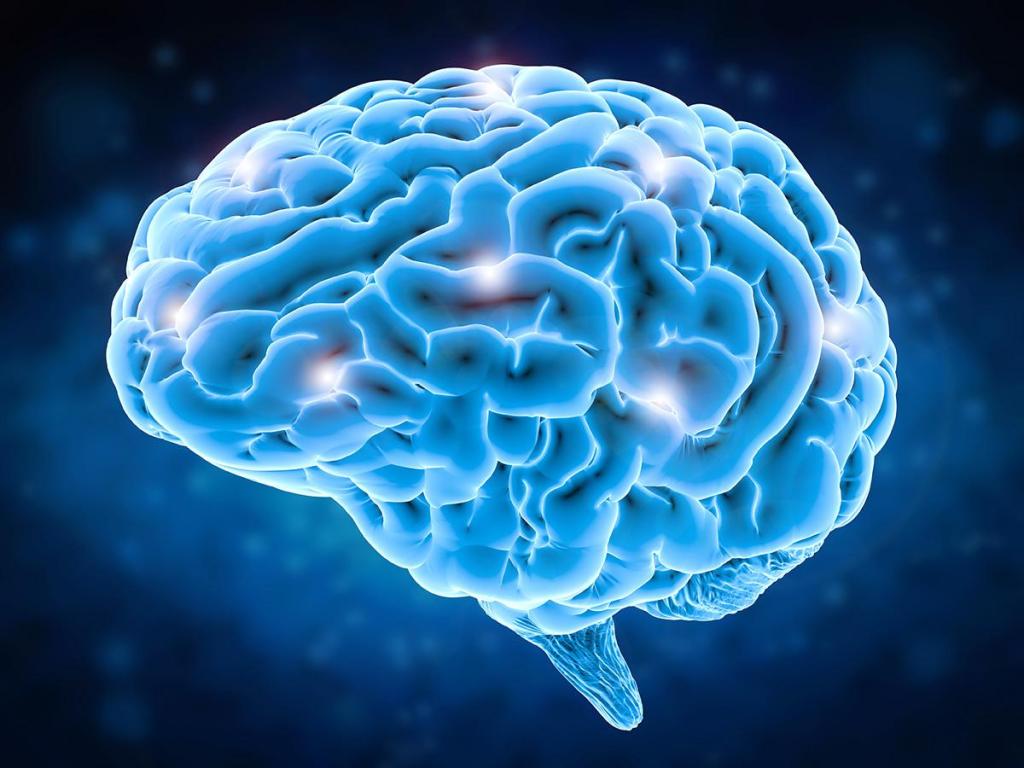
The human brain is the most complex structure in the known universe. It is capable of remarkable feats of cognition and creativity, allowing us to experience the world around us in vivid detail and to reflect on our own thoughts and feelings. Yet despite decades of research, scientists are still struggling to unravel the mysteries of the human mind and the nature of consciousness itself.
At the heart of this inquiry lies a fundamental question: what is consciousness, and how does it arise in the brain? For centuries, philosophers have debated the nature of the mind, and whether it is an immaterial soul or a physical product of the brain. But in recent years, advances in neuroscience have allowed us to study the workings of the brain in unprecedented detail, and to gain new insights into the mechanisms that underpin our conscious experiences.
One of the most intriguing findings to emerge from this research is the idea that consciousness is not a singular entity, but rather a complex set of processes that operate across different regions of the brain. Scientists have identified a network of brain regions, known as the Default Mode Network, that is active when we are engaged in introspection and self-reflection. Other regions, such as the prefrontal cortex, are thought to play a key role in integrating sensory information from the outside world and generating our conscious experiences.
Yet despite these insights, much about the nature of consciousness remains shrouded in mystery. Scientists are still grappling with basic questions, such as how the brain generates subjective experiences such as pain, pleasure, and emotions. They are also exploring the relationship between consciousness and other aspects of cognition, such as attention, memory, and decision-making.
One of the most exciting areas of research in this field is the development of new technologies that allow us to directly manipulate and observe the activity of individual neurons in the brain. For example, optogenetics is a technique that allows scientists to control the activity of neurons using light, opening up new possibilities for understanding the neural basis of consciousness and developing new treatments for neurological and psychiatric disorders.
Despite the many unanswered questions that remain, the study of consciousness is an exciting and rapidly-evolving field, with the potential to transform our understanding of the human mind and the nature of self-awareness. Whether we are exploring the neural mechanisms that underpin our conscious experiences, or developing new technologies that allow us to directly manipulate the brain, the study of consciousness promises to unlock some of the greatest mysteries of the human mind.
As researchers continue to explore the mysteries of consciousness, they are also confronting a range of philosophical and ethical questions. For example, what implications do our findings about the nature of consciousness have for our understanding of free will and moral responsibility? How should we think about the relationship between the brain and the mind, and what implications does this relationship have for our sense of identity and personal autonomy?
These questions are particularly pressing in the context of emerging technologies such as brain-computer interfaces and artificial intelligence. As we gain new insights into the workings of the brain, we may be able to develop new technologies that can augment or even replace our natural cognitive processes. But what are the implications of such technologies for our sense of self and our relationship to the world around us? And how can we ensure that these technologies are developed in ways that are ethical and socially responsible?
Despite the many challenges that lie ahead, the study of consciousness promises to unlock some of the greatest mysteries of the human mind. Whether we are seeking to understand the neural basis of consciousness, exploring the relationship between the brain and the mind, or grappling with the philosophical and ethical implications of emerging technologies, this is a field that is rich with opportunity and discovery. As our understanding of the brain continues to deepen and expand, we can look forward to new insights and breakthroughs that will shed light on the nature of self-awareness, and transform our understanding of what it means to be human.

 Sky Science