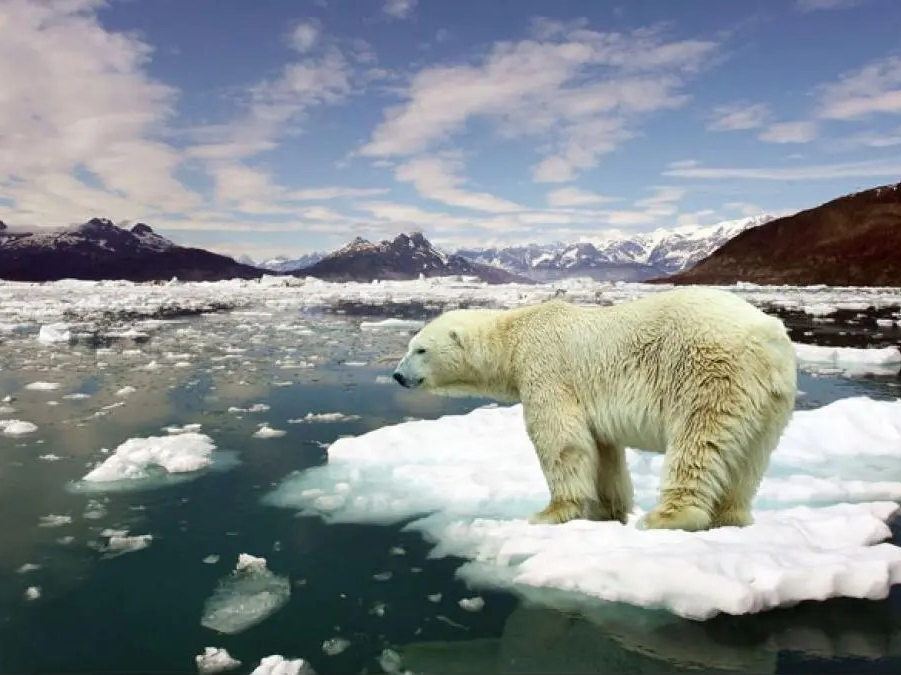
Climate change is a pressing issue that has become a major concern worldwide. It refers to the long-term alteration in Earth’s climate patterns, resulting in shifts in temperature, precipitation, wind patterns, and other environmental factors. Understanding the causes, effects, and solutions of climate change is crucial in addressing this global challenge and safeguarding our planet for future generations.
Causes of Climate Change
The primary cause of climate change is the increase in greenhouse gas emissions in the Earth’s atmosphere. These gases, such as carbon dioxide (CO2), methane (CH4), and nitrous oxide (N2O), trap heat and contribute to the greenhouse effect. Human activities are the main drivers behind the excessive release of these gases. The burning of fossil fuels for energy, deforestation, industrial processes, and agricultural practices all contribute to the emission of greenhouse gases.
Deforestation is another significant factor contributing to climate change. Trees play a vital role in absorbing CO2 and releasing oxygen. However, widespread deforestation disrupts this balance, leading to an accumulation of CO2 in the atmosphere.
Industrialization, particularly the use of fossil fuels like coal and oil, has significantly contributed to the increase in greenhouse gas emissions. The burning of these fossil fuels releases CO2 into the atmosphere, further exacerbating the greenhouse effect and causing global warming.
Effects of Climate Change
Climate change has far-reaching effects on both the environment and human societies. Rising global temperatures are one of the most noticeable consequences of climate change. This increase in temperature leads to the melting of ice caps and glaciers, contributing to rising sea levels. As a result, coastal areas face the threat of increased flooding and coastal erosion.
Extreme weather events, such as hurricanes, droughts, heatwaves, and heavy rainfall, are becoming more frequent and intense due to climate change. These events have devastating impacts on communities, causing property damage, loss of lives, and disruptions to vital infrastructure.
The melting of ice caps and changes in weather patterns also have severe consequences for ecosystems and biodiversity. Many plant and animal species are struggling to adapt to rapidly changing conditions, leading to habitat loss, shifts in migration patterns, and increased risk of extinction.
Impacts on Human Health
Climate change poses significant risks to human health. The increase in temperatures creates a favorable environment for the spread of diseases, such as malaria, dengue fever, and Lyme disease. Additionally, extreme weather events can result in injuries, displacement, and mental health issues, causing psychological distress and anxiety.
Food and water security are major concerns associated with climate change. Changing weather patterns affect agricultural productivity, leading to crop failures and reduced yields. This, in turn, can result in food shortages, malnutrition, and increased food prices. Similarly, shifts in precipitation patterns impact the availability and quality of freshwater resources, leading to water scarcity in many regions.
Solutions to Climate Change
Addressing climate change requires collective action and a combination of solutions at various levels. Transitioning to renewable energy sources, such as solar and wind power, is crucial in reducing greenhouse gas emissions. Investing in research and development of clean energy technologies will facilitate this transition and promote a sustainable future.
Energy efficiency and conservation also play a significant role in mitigating climate change. Improving the efficiency of buildings, transportation, and industrial processes can reduce energy consumption and decrease greenhouse gas emissions.
Adopting sustainable agricultural practices, such as organic farming and agroforestry, can help mitigate climate change. These methods promote soil health, conserve water, and reduce reliance on synthetic fertilizers and pesticides, contributing to lower emissions.
International cooperation is vital in addressing climate change. Governments, organizations, and individuals must work together to establish agreements and commitments aimed at reducing greenhouse gas emissions and promoting sustainable practices worldwide.
Role of Individuals in Addressing Climate Change
While systemic changes are necessary, individuals also have a crucial role to play in addressing climate change. By making simple changes in daily habits, such as reducing energy consumption, conserving water, and minimizing waste, individuals can significantly reduce their carbon footprint.
Promoting sustainable lifestyle choices, such as using public transportation, choosing locally sourced products, and reducing meat consumption, can have a positive impact on the environment. Sharing knowledge, raising awareness, and advocating for climate action can also contribute to fostering a broader movement toward sustainability.
Government and Policy Actions
Governments play a pivotal role in combating climate change through policy actions. Implementing effective climate policies and regulations can encourage industries to adopt sustainable practices and reduce greenhouse gas emissions. Governments can provide incentives and subsidies for renewable energy projects, promote the development of green technologies, and impose taxes or regulations on carbon-intensive activities.
Investment in green technologies and infrastructure is essential for transitioning to a low-carbon economy. Governments and private sector entities should allocate resources to research and development of clean energy solutions, sustainable transportation, and efficient waste management systems.
International agreements, such as the Paris Agreement, serve as frameworks for global climate action. These agreements foster collaboration among nations, setting targets for emission reductions, promoting adaptation measures, and providing financial support to developing countries.
Conclusion
Understanding climate change and its impacts is crucial for developing effective strategies to mitigate and adapt to the changing environment. By addressing the causes of climate change, implementing sustainable solutions, and taking collective action, we can strive towards a more resilient and sustainable future. Each individual has the power to contribute to this global effort, and it is through our combined actions that we can create a positive impact on the planet.

 Sky Science